


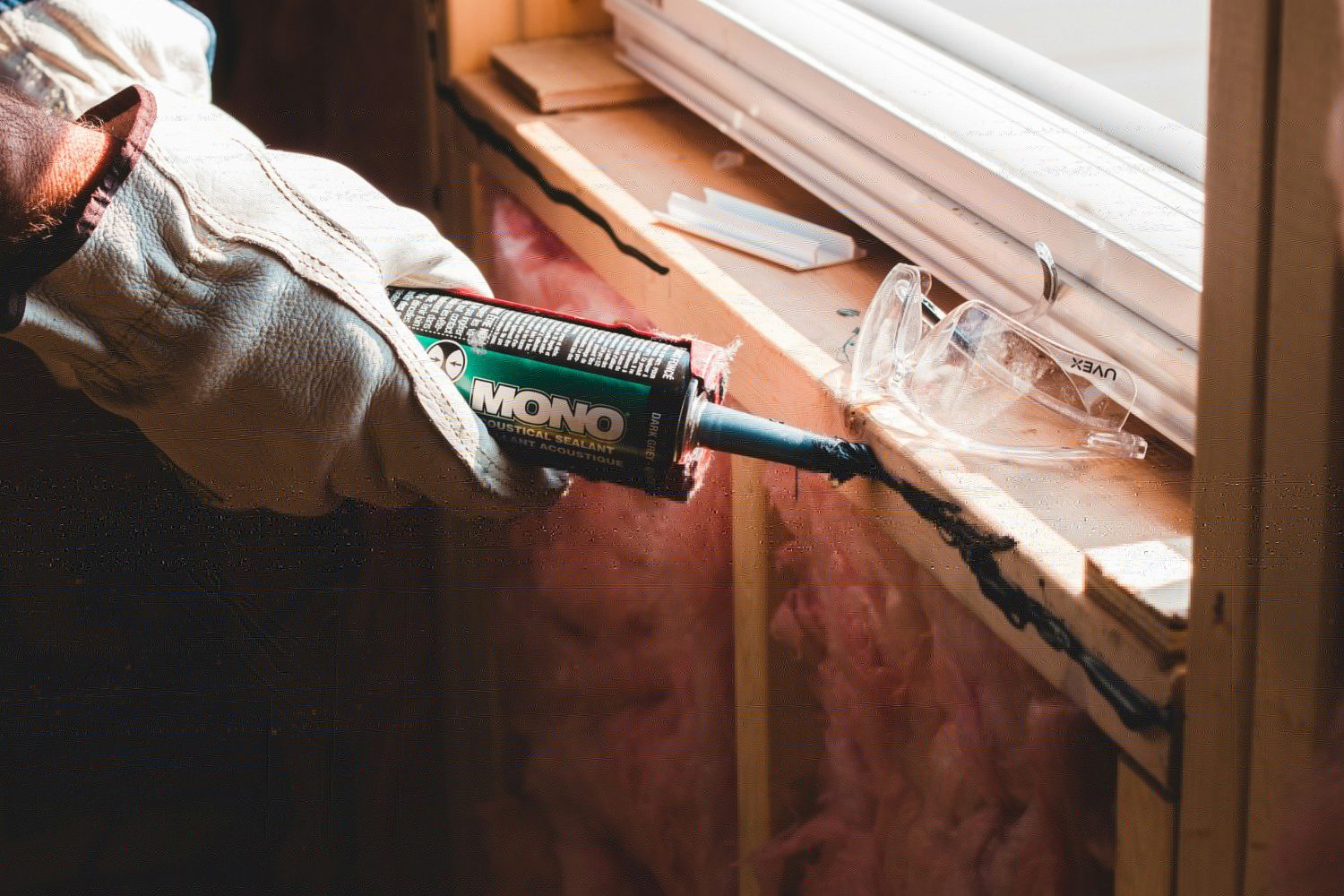
In recent years, the trend of DIY renovation has surged in popularity, and for good reason. Homeowners are increasingly drawn to the idea of transforming their living spaces with their own hands, not only to save money but also to create a home that reflects their unique style and personality. The satisfaction that comes from completing a project yourself is unparalleled, and the sense of accomplishment can be incredibly rewarding.
Moreover, DIY renovation allows for a deeper connection to your home, as you invest time and effort into crafting a space that truly feels like yours.
Additionally, the rise of online resources and communities has made it easier than ever for individuals to embark on their own renovation journeys.
With countless tutorials, videos, and forums available at your fingertips, you can learn new skills and gather inspiration from others who have successfully tackled similar projects.
Whether you’re looking to update a single room or undertake a full home makeover, the DIY approach empowers you to take control of your living environment and make it a true reflection of your lifestyle.
Key Takeaways
- DIY renovation allows you to personalize and improve your space on a budget.
- Assess your space to identify areas for improvement and prioritize your renovation projects.
- Setting a budget is crucial for DIY renovation; plan for costs and unexpected expenses.
- Research and gather inspiration from various sources to fuel your DIY renovation ideas.
- Invest in essential tools and materials to ensure a successful DIY renovation project.
Assessing Your Space: Identifying Areas for Improvement
Before diving headfirst into a DIY renovation project, it’s crucial to assess your space thoroughly. Take the time to walk through your home and identify areas that need improvement or simply don’t meet your needs anymore. This could range from outdated fixtures and worn-out flooring to cramped layouts that hinder functionality.
By pinpointing these areas, you can prioritize your renovation efforts and allocate resources effectively. Consider creating a list of the specific changes you’d like to make in each room. This could include anything from repainting walls to reconfiguring furniture layouts or even adding new storage solutions.
It’s essential to be realistic about what can be achieved within your skill set and budget. By clearly defining your goals, you’ll have a roadmap to guide you through the renovation process, ensuring that you stay focused and motivated as you work towards transforming your space.
Setting a Budget: How to Plan for DIY Renovation Costs

One of the most critical aspects of any DIY renovation project is setting a budget. Without a clear financial plan, it’s easy to overspend or become overwhelmed by unexpected costs. Start by determining how much you can realistically afford to invest in your renovation.
This should include not only the cost of materials but also any tools you may need to purchase or rent, as well as potential labor costs if you decide to hire help for specific tasks. Once you have a budget in mind, break it down into categories based on the different aspects of your renovation. For example, allocate funds for materials, tools, permits (if necessary), and any professional services you may require.
It’s also wise to set aside a contingency fund—typically around 10-20% of your total budget—to cover any unforeseen expenses that may arise during the project. By planning ahead and being mindful of your spending, you can ensure that your DIY renovation remains financially manageable while still achieving the results you desire.
Research and Inspiration: Finding Ideas for Your Renovation
| Source | Metrics |
|---|---|
| Home Improvement Websites | Number of design ideas |
| Magazines | Photos of renovated spaces |
| Social Media | Likes and shares on renovation posts |
| Home Improvement Shows | Ratings and reviews |
With your budget in place, it’s time to gather inspiration for your DIY renovation. The internet is a treasure trove of ideas, with platforms like Pinterest, Instagram, and home improvement blogs offering endless possibilities for design and decor. Create a mood board or digital folder where you can save images and articles that resonate with your vision for your space.
This will help you visualize the overall aesthetic you want to achieve and serve as a reference point throughout the renovation process. Don’t forget to explore local home improvement stores and showrooms as well. These places often showcase the latest trends in materials and design, providing valuable insights into what’s available in your area.
Additionally, consider visiting open houses or home tours in your community to see how others have approached their renovations. Engaging with fellow homeowners can spark new ideas and provide practical tips that can enhance your own project.
Tools and Materials: Essential Supplies for DIY Renovation Projects
Equipping yourself with the right tools and materials is essential for a successful DIY renovation. Depending on the scope of your project, you may need a variety of supplies ranging from basic hand tools like hammers and screwdrivers to power tools such as drills and saws. Before starting your renovation, make a comprehensive list of everything you’ll need, ensuring that you have all necessary items on hand before diving into the work.
When it comes to materials, quality should be a priority. While it may be tempting to cut costs by opting for cheaper options, investing in durable materials will pay off in the long run. Research different brands and products to find the best fit for your project while staying within budget.
Additionally, consider repurposing or upcycling materials whenever possible; this not only saves money but also adds character and uniqueness to your renovation.
Safety First: Tips for Staying Safe During DIY Renovation

Safety should always be a top priority when undertaking any DIY renovation project. Before starting work, familiarize yourself with the tools you’ll be using and read all safety instructions carefully. Wearing appropriate personal protective equipment (PPE) such as gloves, goggles, and masks is essential to protect yourself from potential hazards like dust, debris, or harmful chemicals.
Additionally, ensure that your workspace is organized and free from clutter to minimize the risk of accidents. If you’re working with power tools or heavy materials, take extra precautions by securing loose clothing and tying back long hair. It’s also wise to have a first aid kit readily available in case of minor injuries.
By prioritizing safety throughout your renovation process, you can focus on creating your dream space without unnecessary risks.
Planning Your Project: Creating a Timeline and Schedule
A well-thought-out timeline is crucial for keeping your DIY renovation on track. Start by breaking down your project into manageable tasks and estimating how long each will take to complete. This will help you create a realistic schedule that accounts for both the time needed for each task and any potential delays that may arise.
Consider factors such as weather conditions if you’re working outdoors or drying times for paint and finishes when planning your timeline. It’s also important to remain flexible; unexpected challenges may arise during the renovation process that could require adjustments to your schedule. By having a clear plan in place while remaining adaptable, you can navigate any obstacles that come your way and ensure that your project progresses smoothly.
DIY Renovation Tips: Tricks for Tackling Common Challenges
Every DIY renovation project comes with its own set of challenges, but with the right strategies in place, you can tackle them head-on. One common issue is running into unexpected structural problems once you start tearing down walls or removing fixtures. To mitigate this risk, conduct thorough inspections before beginning work and consult professionals if necessary.
Another challenge many DIYers face is managing their time effectively while juggling other responsibilities such as work or family commitments. To combat this, consider setting aside dedicated time blocks each week specifically for renovation tasks. This will help you stay focused and make consistent progress without feeling overwhelmed by competing priorities.
Adding Personal Touches: Incorporating Your Style into the Renovation
One of the most rewarding aspects of DIY renovation is the opportunity to infuse your personal style into every corner of your home. As you work through each phase of the project, think about how you can incorporate elements that reflect who you are—whether it’s through color choices, decor items, or unique design features. Consider adding custom touches such as handmade artwork or personalized decor pieces that tell your story.
You might also explore creative ways to repurpose existing furniture or materials in order to create one-of-a-kind features that truly make your space feel like home. By embracing your individuality throughout the renovation process, you’ll create an environment that resonates with you on a deeper level.
Finishing Touches: Adding Final Details to Complete the Renovation
As you near the end of your DIY renovation journey, it’s time to focus on those all-important finishing touches that will elevate your space from good to great. These details can make a significant impact on the overall aesthetic and functionality of your home. Consider elements such as lighting fixtures, hardware finishes, and decorative accents that tie everything together cohesively.
Don’t underestimate the power of paint; a fresh coat on trim or cabinetry can breathe new life into a room. Additionally, think about how furniture arrangement can enhance flow and usability within each space. By paying attention to these final details, you’ll create an inviting atmosphere that showcases all of your hard work while making it feel complete.
Enjoying Your New Space: Tips for Making the Most of Your DIY Renovation
Once the dust has settled and your DIY renovation is complete, it’s time to sit back and enjoy the fruits of your labor! Take a moment to appreciate all that you’ve accomplished—transforming a vision into reality is no small feat. To fully embrace your new space, consider hosting friends or family for a gathering where you can showcase your hard work.
Additionally, make an effort to maintain the beauty of your renovated areas by establishing routines for cleaning and upkeep. This will ensure that your home remains a source of pride for years to come. Finally, don’t hesitate to continue evolving your space over time; as trends change or new ideas come to mind, embrace the opportunity for future projects that keep your home feeling fresh and aligned with your personal style.
In conclusion, embarking on a DIY renovation journey can be an incredibly fulfilling experience that allows you to create a space uniquely tailored to your needs and preferences. By following these steps—from assessing your space and setting a budget to incorporating personal touches—you’ll be well-equipped to tackle any challenges that arise along the way while enjoying every moment spent transforming your home into a true reflection of yourself.
If you’re considering renovating a property in Armadale, you may want to check out this article on the latest updates in the Armadale property market <a href=’https://www.
championbroker.
com.au/armadale-property-market-latest-update/’>here. It can provide valuable insights into the current trends and opportunities in the area, helping you make informed decisions about your DIY renovation project.
FAQs
What does DIY renovation mean?
DIY renovation stands for “do-it-yourself” renovation, which refers to the process of making improvements or changes to a property by the property owner themselves, rather than hiring a professional contractor.
What are the benefits of DIY renovation?
DIY renovation can be cost-effective, as it eliminates the need to pay for labor costs. It also allows for greater creative control and a sense of accomplishment for the property owner.
What are some common DIY renovation projects?
Common DIY renovation projects include painting, installing new flooring, updating kitchen or bathroom fixtures, landscaping, and minor repairs or improvements.
What are some important considerations before starting a DIY renovation project?
Before starting a DIY renovation project, it’s important to carefully plan and budget for the project, obtain any necessary permits, and ensure that the property owner has the necessary skills and tools to complete the project safely and effectively.
What are some potential challenges of DIY renovation?
Some potential challenges of DIY renovation include the risk of making costly mistakes, the time and effort required to complete the project, and the potential for encountering unexpected issues during the renovation process.

